Plastic, Reconstructive & Cosmetic Surgery — Siliguri, West Bengal

Plastic & Cosmetic Surgery in Siliguri with Dr. Sohaib Akhtar

Dr. Sohaib Akhtar, MBBS, MS (General Surgery), MCh (Plastic & Reconstructive Surgery), consults on plastic surgery in Siliguri and cosmetic surgery in Siliguri at Plastic Surgery Plus, covering facial, breast, body-contouring and reconstructive procedures. Every recommendation follows an individual consultation — no two treatment plans look the same, and suitability for surgery is assessed case by case rather than assumed.

This page is educational and does not replace a one-to-one consultation. Individual results vary and are not guaranteed.

  • QualificationsMBBS, MS (General Surgery), MCh (Plastic & Reconstructive Surgery)
  • Professional bodiesAPSI (Association of Plastic Surgeons of India), NABI (National Academy of Burns India), IAAPS, ISSH, AHRS India [VERIFY current membership status for each body]
  • Clinic locationCosmo Surge Clinic, Shanti Nursing Home, Siliguri, West Bengal 734001
  • MCh Plastic & Reconstructive SurgerySuper-specialty surgical qualification
  • Individual consultationTreatment plans built per patient, not templated
  • Cosmetic + reconstructiveAesthetic and functional/trauma care under one roof
  • North Bengal referral pointPatients from Siliguri, Darjeeling, Jalpaiguri and Sikkim

About Plastic Surgery Plus

A dedicated plastic, reconstructive and cosmetic surgery practice in Siliguri

Plastic Surgery Plus is the Siliguri practice of Dr. Sohaib Akhtar, based at Cosmo Surge Clinic on the third floor of Shanti Nursing Home, Uday Shankar Sarani, near International Market, Mahakal Pally. The practice covers two connected but distinct areas of plastic surgery: cosmetic surgery in Siliguri, aimed at aesthetic enhancement, and reconstructive plastic surgery, aimed at restoring form and function after injury, burns, congenital conditions or illness.

Plastic surgery as a specialty is broader than the "cosmetic" association it often carries in everyday conversation. It is a surgical discipline built on reconstructing tissue, restoring movement and sensation, and — where a patient chooses it — refining appearance. A responsible plastic surgeon treats both sides of that work with the same standard of evaluation: a detailed history, a physical examination, and an honest conversation about what surgery can and cannot achieve for that specific patient.

Because this is a medical decision with real risks and permanent consequences, this page avoids promising outcomes, avoids presenting any procedure as risk-free, and avoids describing this or any surgeon as an automatic "best" choice without qualification. What follows is general educational information to help you prepare for a consultation — it is not personalised medical advice, and it does not replace an in-person assessment.

If a claim on this page needs verification — a membership, a statistic, a facility detail — it is marked [VERIFY] rather than presented as fact. We would rather under-claim than overstate.

Plastic Surgery in Siliguri

What plastic surgery in Siliguri covers

Plastic surgery in Siliguri spans two broad categories of care. Reconstructive plastic surgery repairs and restores tissue affected by trauma, burns, congenital conditions such as cleft lip and palate, tumour removal, or diabetic wounds — the aim is to recover function and a natural appearance. Cosmetic (aesthetic) plastic surgery is elective surgery a patient chooses to change or refine a feature they are unhappy with, such as the nose, eyelids, breasts or body contour.

The two categories overlap in practice. A rhinoplasty performed after a nasal fracture, for instance, is partly reconstructive and partly aesthetic. A qualified plastic surgeon is trained to assess both dimensions of a case rather than treating cosmetic and reconstructive work as unrelated specialties.

Anyone researching plastic surgery in Siliguri should expect a multi-step process rather than a single visit: an initial consultation, a period for questions and reflection, pre-operative assessment, the procedure itself, and a structured recovery and follow-up plan. Surgeons who skip the assessment stage, or who commit to an outcome before examining a patient, are a warning sign rather than a sign of confidence — see "How to choose a plastic surgeon" further down this page.

Local access matters for patients across North Bengal: Siliguri's position as a transport and healthcare hub for Darjeeling, Jalpaiguri, Kalimpong and parts of Sikkim means many patients travel here specifically to consult a plastic surgeon rather than commuting to Kolkata or further afield for an initial opinion.

Cosmetic Surgery in Siliguri

Cosmetic surgery in Siliguri: what it changes and what it doesn't

Cosmetic surgery in Siliguri is elective — patients choose it to change how a feature looks, not because a medical condition requires it (gynecomastia and some breast or eyelid procedures sit closer to the boundary between the two, and are discussed case by case). Because it is elective, informed consent and realistic expectation-setting matter even more than in reconstructive work: a good outcome is one the patient understands in advance, not a surprise.

Common categories of cosmetic surgery include facial procedures (rhinoplasty, eyelid surgery, facelift), body-contouring procedures (liposuction, abdominoplasty), and breast procedures (augmentation, reduction, gynecomastia correction in men). Each is covered in more detail in the services section below.

Cosmetic surgery does not fix underlying medical or mental health conditions, and it is not a substitute for addressing them. A responsible surgeon will decline to operate, or will refer a patient for further evaluation first, if a consultation raises concerns about unrealistic expectations, body dysmorphic symptoms, or an unstable medical condition. This is discussed further in "When surgery may not be appropriate."

Non-surgical options — such as injectables, laser treatments or structured skincare — are appropriate for some patients instead of surgery, or as an interim step. These should be discussed openly during consultation rather than treated as inferior alternatives to be talked out of.

Reconstructive Plastic Surgery

Reconstructive surgery: restoring form and function

Reconstructive plastic surgery addresses trauma, burns, congenital differences, and tissue loss from disease or its treatment. Common indications include road-traffic and industrial injuries, burn contractures, cleft lip and palate, hand injuries involving tendons or nerves, diabetic foot wounds, and post-cancer reconstruction.

The priority in reconstructive work is usually function first — movement, sensation, wound closure, protection of underlying structures — with appearance addressed alongside it wherever possible. Timing matters: some reconstructive procedures are done urgently after injury, others are staged over months as tissue heals and swelling resolves.

Reconstructive surgery in Siliguri frequently involves coordination with other specialists — orthopaedic surgeons for fracture-related hand and limb injuries, dermatologists for chronic wounds, gynaecologists for certain reconstructive procedures, and neurosurgeons or nephrologists in complex trauma or flap cases. [VERIFY: confirm current active referral relationships with named specialists/departments before publishing any specific claim of formal association.]

Because reconstructive cases are often urgent or medically complex, the consultation typically includes a more detailed medical work-up than a purely cosmetic consultation, and may involve hospital admission, regional or general anaesthesia, and a longer recovery and follow-up schedule.

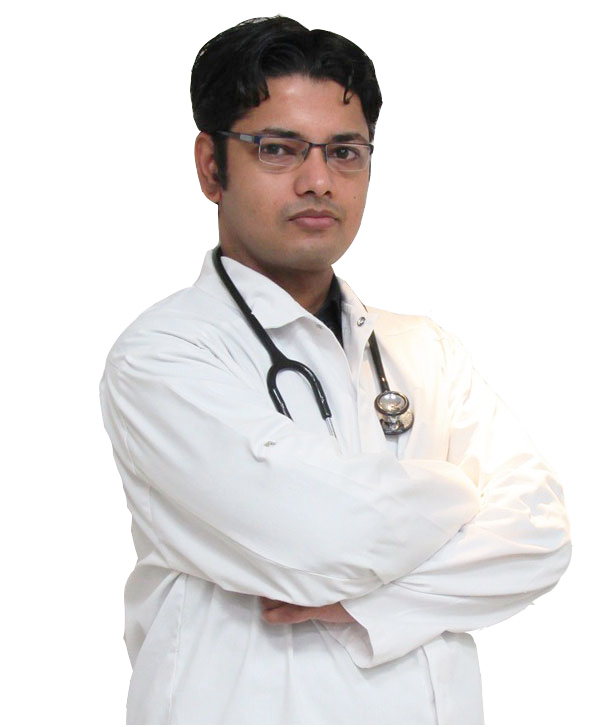
Dr. Sohaib Akhtar, plastic and reconstructive surgeon, Siliguri
APSI membership mark National Academy of Burns India membership mark ISSH membership mark AHRS India membership mark

[VERIFY: reconfirm each membership logo with the issuing body's current member directory before publishing — one logo on the current live site is labelled inconsistently with its link target.]

Plastic Surgeon in Siliguri

Dr. Sohaib Akhtar — Plastic, Reconstructive & Cosmetic Surgeon

Dr. Sohaib Akhtar practises plastic, reconstructive and cosmetic surgery in Siliguri, seeing patients for both aesthetic consultations and reconstructive/trauma referrals at Cosmo Surge Clinic, Shanti Nursing Home.

Qualifications

  • MBBS — Bachelor of Medicine, Bachelor of Surgery
  • MS (General Surgery) — postgraduate surgical training
  • MCh (Plastic & Reconstructive Surgery) — super-specialty qualification in plastic, reconstructive, cosmetic, microsurgical, hand, burn and craniofacial surgery

[VERIFY: the awarding universities/institutions, year of qualification, and medical council registration number are not published on the current site — request these from the clinic before publishing individually verifiable credential claims.]

Professional memberships

The current site lists membership of the Association of Plastic Surgeons of India (APSI) and the National Academy of Burns India (NABI), with additional logos for IAAPS, ISSH and AHRS India. [VERIFY each membership status directly with the respective association before publishing, and correct the ISAPS/IAAPS labelling inconsistency noted above.]

Clinical focus areas

Facial plastic surgery, breast surgery, body contouring, burn and trauma reconstruction, hand surgery, cleft lip and palate repair, scar revision, and general cosmetic surgery consultations. Research activity referenced on the existing site includes conference presentations and journal publications in burns and reconstructive surgery. [VERIFY: request citations/links for the "6 scientific papers" and "20 publications" figures, and for the "Most Popular Article" recognition in the Indian Journal of Burns, so they can be cited accurately rather than restated as an unsourced figure.]

Plastic & Cosmetic Surgery Services in Siliguri

Treatments offered at Plastic Surgery Plus

Each service below covers what the procedure is, who is typically evaluated for it, what consultation and preparation involve, general recovery expectations, and the questions worth asking. None of this is a promise of eligibility or outcome — only a consultation and examination can determine that for you.

Facial Plastic Surgery

Rhinoplasty (Nose Surgery)

What it is

Rhinoplasty reshapes the bone and cartilage of the nose to change its size, profile or tip shape, and can also address breathing difficulties caused by structural issues inside the nose (septoplasty is often combined with it).

Who may be evaluated for it

Adults whose nasal growth is complete, who have specific, discussed concerns about shape or breathing, and who are in stable general health.

Consultation & preparation

  • Facial analysis and discussion of the change being sought
  • Review of prior nasal trauma or surgery
  • Discussion of open vs closed technique where relevant
  • Pre-operative blood work and imaging as advised

General recovery

Splinting for one to two weeks, with swelling and bruising subsiding over several weeks; final shape continues to settle for up to a year.

Possible risks

Bleeding, infection, breathing changes, asymmetry, need for a revision procedure — discuss the full list with your surgeon.

Questions to ask

How many rhinoplasties have you performed, what technique do you recommend for my anatomy, and what does a realistic outcome look like for someone with my skin type and nasal structure?

Facial Plastic Surgery

Eyelid Surgery (Blepharoplasty)

What it is

Blepharoplasty removes or repositions excess skin, muscle and fat around the upper and/or lower eyelids to reduce hooding, puffiness or a tired appearance, and in some cases to improve upper visual field obstructed by heavy eyelid skin.

Who may be evaluated for it

Adults with visible upper-lid excess skin, under-eye puffiness or bagging, or functional visual-field obstruction from lid skin.

Consultation & preparation

  • Eye examination and, where relevant, visual field assessment
  • Review of dry-eye symptoms and thyroid or eye conditions
  • Discussion of upper, lower, or combined procedures

General recovery

Bruising and swelling typically improve over one to two weeks; sutures (if used) are removed within the first week.

Possible risks

Dry eyes, asymmetry, temporary blurred vision, rarely more serious complications affecting eyelid position or vision.

Questions to ask

Is my visual field genuinely affected, will insurance-relevant documentation be needed, and how will scars be positioned to stay hidden in natural lid creases?

Facial Plastic Surgery

Facelift & Facial Rejuvenation

What it is

A facelift repositions underlying facial tissue and removes excess skin to reduce sagging in the mid-face, jawline and neck. It is often considered alongside non-surgical options for earlier-stage ageing changes.

Who may be evaluated for it

Adults with moderate-to-significant skin laxity where non-surgical treatments are unlikely to produce the change sought.

Consultation & preparation

  • Skin and tissue assessment
  • Discussion of incision placement and extent of correction
  • Smoking-cessation guidance, since smoking materially affects healing and skin-flap viability

General recovery

Initial swelling and bruising over one to three weeks; return to non-strenuous activity is typically discussed on an individual timeline.

Possible risks

Bleeding under the skin (haematoma), nerve-related numbness or weakness, scarring, asymmetry, skin loss in rare cases — especially in smokers.

Questions to ask

Would a non-surgical option address my concern first, and what is your approach to minimising visible scarring?

Breast Surgery

Breast Surgery — Augmentation, Reduction & Reconstruction

What it is

Breast augmentation increases breast volume (implants or fat transfer); reduction removes tissue to relieve size-related back, neck and skin symptoms; reconstruction rebuilds breast form after mastectomy or significant trauma.

Who may be evaluated for it

Adults seeking volume or shape change (augmentation), those with size-related physical symptoms (reduction), or patients who have undergone mastectomy or breast trauma (reconstruction).

Consultation & preparation

  • Breast examination and imaging where clinically indicated
  • Discussion of implant vs fat-transfer approach, or reduction technique
  • For reconstruction: coordination with the oncology/surgical team and staging of procedures

General recovery

Typically one to several weeks of restricted upper-body activity depending on the procedure; reconstruction may involve a longer, staged recovery.

Possible risks

Changes in nipple sensation, scarring, implant-related risks (capsular contracture, rupture, need for future revision), asymmetry, effects on breastfeeding.

Questions to ask

What are the long-term implant-monitoring recommendations, and how might this procedure affect future breastfeeding or mammography?

Body Contouring

Gynecomastia Surgery

What it is

Gynecomastia surgery reduces enlarged male breast tissue through liposuction, surgical gland excision, or a combination, to create a flatter chest contour.

Who may be evaluated for it

Men with persistent glandular or fatty breast enlargement not resolving with weight change, once reversible causes (medication, hormonal conditions) have been assessed.

Consultation & preparation

  • Physical examination to distinguish glandular tissue from fat
  • Screening for underlying hormonal, medication-related or liver-related causes
  • Discussion of liposuction-only vs combined excision technique

General recovery

Compression garment use for several weeks; most swelling resolves over four to eight weeks, with final contour visible later.

Possible risks

Asymmetry, contour irregularity, changes in nipple sensation, scarring, fluid collection (seroma).

Questions to ask

Has an underlying medical cause been ruled out, and will the technique used address glandular tissue as well as fat?

Body Contouring

Liposuction & Body Contouring

What it is

Liposuction removes localised fat deposits (abdomen, flanks, thighs, arms, back, neck/chin) to refine body proportions. It is a contouring procedure, not a weight-loss treatment, and works best on stable-weight patients with good skin elasticity.

Who may be evaluated for it

Adults at a stable, healthy weight with localised fat that has not responded to diet and exercise.

Consultation & preparation

  • Assessment of treatment areas, skin quality and expected volume
  • Discussion of realistic contour goals versus weight-loss expectations
  • Review of medical history for anaesthesia suitability

General recovery

Compression garments for several weeks; swelling and firmness settle gradually over one to three months.

Possible risks

Contour irregularity, asymmetry, fluid accumulation, skin sensation changes, rare but serious risks with large-volume procedures.

Questions to ask

How much volume is safe to remove in a single session, and what is done if the skin does not retract evenly afterward?

Body Contouring

Abdominoplasty (Tummy Tuck)

What it is

Abdominoplasty removes excess loose abdominal skin and tightens underlying muscle, commonly considered after pregnancy or significant weight loss where skin laxity does not respond to exercise alone.

Who may be evaluated for it

Adults at a stable weight, not planning further pregnancy in the near term, with abdominal skin laxity and/or muscle separation (diastasis recti).

Consultation & preparation

  • Assessment of skin excess and muscle separation
  • Discussion of scar placement and extent of the procedure
  • Weight-stability and smoking-cessation guidance

General recovery

A longer recovery than liposuction alone — typically several weeks of restricted activity, with a visible abdominal scar that fades over months to years.

Possible risks

Wound-healing delays, fluid collection, scarring, changes in abdominal skin sensation, blood clot risk with longer procedures.

Questions to ask

Will muscle repair be included, and how long before I can resume normal activity and exercise?

Reconstructive Surgery

Scar Revision

What it is

Scar revision improves the appearance, texture or function of a scar from injury, burns, acne or prior surgery. It does not erase a scar entirely, but can make it less noticeable or less restrictive if it limits movement.

Who may be evaluated for it

Patients with a mature scar (usually 12+ months old, unless it is restricting movement sooner) that is cosmetically or functionally bothersome.

Consultation & preparation

  • Assessment of scar type — raised, depressed, contracted or widened
  • Discussion of surgical vs non-surgical options (silicone therapy, steroid injection, laser)

General recovery

Depends on technique; surgical revision requires standard wound care and sun protection during scar maturation.

Possible risks

The new scar may still be visible, keloid or hypertrophic recurrence in predisposed patients, infection.

Questions to ask

Is my scar mature enough to revise, and am I prone to keloid scarring?

Reconstructive Surgery

Burn Reconstruction

What it is

Burn reconstruction addresses contractures, scarring, and functional or aesthetic changes after burn injury, using techniques such as scar release, skin grafting and flap reconstruction, often staged over multiple procedures.

Who may be evaluated for it

Patients with healed burn injuries causing restricted movement, functional limitation, or significant scarring/disfigurement.

Consultation & preparation

  • Assessment of contracture severity and affected joints/tissue
  • Discussion of staged surgical planning where multiple procedures are needed
  • Physiotherapy planning alongside surgery

General recovery

Often longer and staged, combining surgical recovery with splinting and physiotherapy to maintain range of motion.

Possible risks

Graft or flap failure, recurrence of contracture, infection, need for further staged procedures.

Questions to ask

How many procedures is this likely to take, and what physiotherapy will be needed alongside surgery?

Reconstructive Surgery

Hand Surgery

What it is

Hand surgery treats fractures, tendon and nerve injuries, congenital hand differences, and post-traumatic reconstruction, with the goal of restoring movement, strength and sensation.

Who may be evaluated for it

Patients with hand trauma, chronic nerve compression, congenital hand conditions, or functional loss following injury.

Consultation & preparation

  • Functional assessment of movement, strength and sensation
  • Imaging as needed for fractures or tendon injuries
  • Discussion of urgency — some hand injuries need prompt surgical attention

General recovery

Frequently involves splinting and structured hand therapy alongside surgical healing; timelines vary widely by injury type.

Possible risks

Stiffness, incomplete return of sensation or strength, need for further surgery, infection.

Questions to ask

What is the expected functional recovery, and is hand therapy included in the treatment plan?

Reconstructive Surgery

Cleft Lip & Palate Surgery

What it is

Cleft lip and palate surgery repairs congenital openings in the lip and/or palate, typically performed in infancy according to an age-based surgical schedule, to support feeding, speech development and facial appearance.

Who may be evaluated for it

Infants and children with cleft lip and/or palate; some older patients requiring revision or secondary procedures.

Consultation & preparation

  • Multidisciplinary assessment (feeding, growth, speech, dental) alongside surgical planning
  • Anaesthesia fitness assessment appropriate to the child's age

General recovery

Staged over years in many cases, coordinated with speech therapy and dental/orthodontic care as the child grows.

Possible risks

Wound breakdown, speech or feeding issues requiring further intervention, scarring, need for later revision.

Questions to ask

What is the full staged treatment timeline through childhood, and which other specialists will be involved?

Cosmetic Surgery

Hair Transplant

What it is

Hair transplantation relocates hair follicles from a donor area to areas of thinning or hair loss, most commonly for pattern hair loss.

Who may be evaluated for it

Adults with stable, pattern-type hair loss and sufficient donor-area density; not all causes of hair loss are suitable for transplantation, and some need dermatological treatment instead or first.

Consultation & preparation

  • Scalp and donor-area assessment
  • Discussion of technique and realistic density expectations
  • Ruling out active, treatable causes of hair loss before proceeding

General recovery

Scabbing at transplant sites resolves within one to two weeks; transplanted hair typically sheds before regrowing over several months.

Possible risks

Patchy or unnatural-looking growth, scarring at donor sites, infection, graft failure.

Questions to ask

Is my hair loss pattern suitable for transplantation, and how many sessions might realistically be needed?

Choosing a Surgeon

How to choose a plastic surgeon in Siliguri

Verify qualifications first: look for a recognised super-specialty qualification in plastic and reconstructive surgery (such as MCh, DNB, or an equivalent recognised degree), and confirm registration with the relevant State Medical Council. A surgeon's general medical degree alone does not indicate specialist surgical training in plastic surgery.

Ask where procedures are performed. Surgery should take place in a facility with appropriate operating-theatre standards, sterilisation protocols, and anaesthesia support — ask directly which hospital or accredited facility a given procedure will be performed in, and who administers anaesthesia.

Be cautious of any surgeon or clinic that guarantees a specific result, avoids discussing risks, pressures same-day decisions, or cannot clearly explain their qualifications and experience with the specific procedure you are considering.

A genuine consultation should include an examination, a discussion of your goals and medical history, an honest explanation of whether you are a suitable candidate, and time for your questions — not a scripted sales pitch. If a consultation feels rushed or one-sided, it is reasonable to seek a second opinion.

Ask to see the surgeon's own documented experience with the specific procedure, ask what happens if a complication occurs, and ask who you would contact after hours during recovery. A trustworthy practice will answer these plainly.

Finally, cross-check independent sources: State Medical Council registration, professional-body membership directories, and, where available, verified patient feedback — rather than relying on marketing claims alone.

Consultation & Surgical Process

What to expect: consultation through recovery

  1. Initial consultation

    A detailed medical history, physical examination, and discussion of your goals. The surgeon should explain whether you are a suitable candidate, what the procedure involves, and what it cannot do — before any commitment is made.

  2. Pre-operative assessment

    Blood tests, imaging, or specialist clearance as needed, depending on your health history and the procedure's complexity. This is also when anaesthesia risk is assessed.

  3. Surgical planning

    Technique, incision placement, and staging (for multi-step procedures) are finalised, along with a clear explanation of anaesthesia type — local, sedation, regional, or general — and why it is appropriate for your case.

  4. The procedure

    Performed at the agreed facility under the discussed anaesthesia. Duration and admission requirements vary widely by procedure.

  5. Early recovery

    Wound care, activity restrictions, pain management, and warning signs to watch for are explained before discharge — ideally in writing as well as verbally.

  6. Follow-up

    Scheduled reviews to check healing, remove sutures if needed, and address concerns. Long-term follow-up may continue for months depending on the procedure.

Anaesthesia, Risks & Patient Safety

Anaesthesia, risks and when surgery may not be appropriate

Anaesthesia

Depending on the procedure, anaesthesia may be local (with or without sedation), regional (numbing a larger area or limb), or general. The choice depends on the procedure's extent, your health status, and surgeon/anaesthetist judgement — this should be discussed and agreed before surgery, along with the anaesthetist's own qualifications.

General risks to discuss

Every surgical procedure carries risk. Commonly discussed risks include bleeding, infection, scarring, asymmetry, anaesthesia-related complications, delayed healing, changes in sensation, and the possibility of needing a revision procedure. Procedure-specific risks are outlined in each service section above — ask your surgeon to walk through the full list relevant to your case.

When surgery may not be appropriate

A responsible surgeon may advise against surgery, or recommend delaying it, where a patient has an unstable medical condition, uncontrolled diabetes, active infection, unrealistic expectations, signs of body dysmorphic disorder, is a minor being considered for a purely elective cosmetic procedure, is pregnant or recently postpartum (for body-contouring procedures), or has not allowed adequate time between a major life event and an elective decision.

Non-surgical alternatives

For some concerns — early skin laxity, fine lines, mild volume loss, early hair thinning — non-surgical options (injectables, laser treatments, topical or medical therapy) may be appropriate first steps, or may be sufficient on their own. These should be discussed honestly as options, not dismissed to encourage surgery.

Facility & Cost Considerations

Hospital facility and cost considerations

Facility considerations

Ask which facility a procedure will be performed in, whether it is equipped for the level of anaesthesia planned, what its infection-control and emergency protocols are, and whether overnight admission is available if needed. For reconstructive or higher-complexity procedures, confirm the facility has appropriate critical-care backup.

Cost considerations

Plastic and cosmetic surgery costs in Siliguri, as elsewhere, depend on the specific procedure, anaesthesia type, facility fees, implant or material costs (where relevant), and the complexity of your individual case. A meaningful cost estimate can only be given after an examination — be cautious of any quote given without one. Ask for a written breakdown covering surgeon's fee, facility/hospital fee, anaesthesia fee, and any follow-up visits included, so you can compare like-for-like.

Serving Siliguri & North Bengal

Plastic Surgery Plus: location and service area

Plastic Surgery Plus is based at Cosmo Surge Clinic, 3rd Floor, Shanti Nursing Home, Uday Shankar Sarani, near International Market, Mahakal Pally, Siliguri, West Bengal 734001 — within reach of the following areas. This list reflects where patients travel from; it is not a claim of a branch clinic in each location.

Siliguri

The clinic's home city and primary service area, including Sevoke Road, Pradhan Nagar and the wider city centre.

Matigara

A growing residential and commercial area adjoining Siliguri, within convenient travelling distance of the clinic.

Sevoke Road

A major commercial corridor in Siliguri with strong connectivity to the clinic's Mahakal Pally location.

Jalpaiguri

Patients from Jalpaiguri frequently travel to Siliguri, the region's main healthcare hub, for specialist consultations.

Darjeeling

Siliguri's connectivity to Darjeeling makes consultations and follow-up visits practical for hill-region patients.

North Bengal region

Siliguri functions as a referral centre for patients across North Bengal seeking plastic, reconstructive and cosmetic surgery consultation.

Considering plastic or cosmetic surgery in Siliguri?

Start with a consultation — not a commitment. Bring your questions.

Patient Testimonials

What patients say

Editor note (remove before publishing): the quotes previously on the live homepage could not be verified as genuine, consented, unedited patient reviews (several used a generic placeholder avatar image and no date or verifiable identity), so they have not been reproduced here. Replace the placeholders below with real reviews — ideally pulled directly from your Google Business Profile with the reviewer's permission — before publishing. Do not restore invented quotes, names, or star ratings.

[REAL PATIENT TESTIMONIAL 01 — insert verified quote]

[Patient name or initials] · [Treatment, if disclosed] · [Date]

[REAL PATIENT TESTIMONIAL 02 — insert verified quote]

[Patient name or initials] · [Treatment, if disclosed] · [Date]

[REAL PATIENT TESTIMONIAL 03 — insert verified quote]

[Patient name or initials] · [Treatment, if disclosed] · [Date]

[REAL PATIENT TESTIMONIAL 04 — insert verified quote]

[Patient name or initials] · [Treatment, if disclosed] · [Date]

[REAL PATIENT TESTIMONIAL 05 — insert verified quote]

[Patient name or initials] · [Treatment, if disclosed] · [Date]

[REAL PATIENT TESTIMONIAL 06 — insert verified quote]

[Patient name or initials] · [Treatment, if disclosed] · [Date]

This grid is built to extend to 30 cards. Duplicate the .t-card markup for each additional verified testimonial. Do not add a star-rating display, or AggregateRating/Review schema, until ratings are genuinely and verifiably sourced — see the schema notes near the end of this file.

Frequently Asked Questions

Plastic & cosmetic surgery in Siliguri: frequently asked questions

General educational answers. They do not replace an individual consultation, and none of them should be read as advice specific to your situation.

What is plastic surgery?

Plastic surgery is a surgical specialty focused on reconstructing, restoring or enhancing the body, covering both reconstructive procedures (after trauma, burns or congenital conditions) and elective cosmetic procedures.

What is cosmetic surgery?

Cosmetic surgery is elective surgery chosen to change the appearance of a feature the patient is unhappy with, rather than to treat an underlying medical condition.

What is reconstructive surgery?

Reconstructive surgery restores form and function after trauma, burns, congenital conditions, infection or tumour removal, with the priority usually on function alongside appearance.

What's the difference between cosmetic and reconstructive surgery?

Cosmetic surgery is elective and appearance-driven; reconstructive surgery addresses a functional or structural problem, though the two can overlap in a single procedure.

What is the difference between a "plastic surgeon" and a "cosmetic surgeon"?

In India, "plastic surgeon" refers to a doctor with a recognised super-specialty qualification (such as MCh or DNB in Plastic Surgery) covering both cosmetic and reconstructive work. "Cosmetic surgeon" is not a protected super-specialty title on its own, so it's worth confirming the underlying qualification of anyone using it.

What is an MCh in Plastic and Reconstructive Surgery?

MCh (Plastic & Reconstructive Surgery) is a super-specialty surgical qualification in India, taken after MBBS and a general surgery postgraduate degree, covering plastic, reconstructive, cosmetic, microsurgical, hand, burn and craniofacial surgery.

Is plastic surgery only about appearance?

No. A large part of plastic surgery — burns, trauma, hand injuries, congenital conditions, cancer reconstruction — is about restoring function, not appearance alone.

What does "aesthetic surgery" mean?

Aesthetic surgery is another term for elective cosmetic surgery — procedures chosen to refine or change appearance rather than to treat disease or injury.

How do I choose a plastic surgeon in Siliguri?

Verify their surgical qualification and medical council registration, ask about their specific experience with the procedure you're considering, confirm where surgery will be performed, and be wary of guaranteed outcomes or pressure to decide quickly. See "How to choose a plastic surgeon" above for a fuller checklist.

What qualifications should a plastic surgeon have?

Look for a recognised postgraduate super-specialty qualification in plastic and reconstructive surgery (e.g. MCh or DNB), plus active State Medical Council registration.

What happens during a plastic surgery consultation?

A medical history review, physical examination, discussion of your goals and concerns, an explanation of suitable options (including non-surgical ones where relevant), and a review of risks — followed by time for your questions.

How many consultations are usually needed before surgery?

This varies by procedure and complexity. Straightforward cosmetic consultations may need one or two visits; complex reconstructive cases often need several, including pre-operative work-up appointments.

Am I a good candidate for cosmetic surgery?

Candidacy depends on your health, the specific procedure, and how realistic your expectations are — this can only be determined through an in-person examination and discussion, not a general answer.

Can I get a second opinion before deciding?

Yes, and it's a reasonable step for any elective surgical decision, particularly if you feel uncertain or rushed after a first consultation.

What questions should I ask before booking surgery?

Ask about the surgeon's qualification and experience with your specific procedure, where surgery will take place, who administers anaesthesia, what the realistic risks and recovery are, and what happens if a complication occurs.

Will the surgeon guarantee my results?

No responsible surgeon guarantees a specific cosmetic or medical outcome. Individual results vary, and a surgeon who guarantees results is a warning sign rather than a reassurance.

How should I prepare for surgery?

Preparation typically includes pre-operative tests, medication review, smoking cessation if applicable, arranging help during recovery, and following your surgeon's specific instructions for your procedure.

What tests are done before surgery?

Common pre-operative tests include blood work and, depending on the procedure and your health history, imaging or specialist clearance (e.g. cardiac evaluation).

Should I stop smoking before surgery?

Smoking significantly affects wound healing and blood supply to tissue, and most surgeons will ask patients to stop for a defined period before and after surgery — follow your surgeon's specific timeline.

What medications should I avoid before surgery?

Certain blood-thinning medications and supplements are commonly paused before surgery, but this must be confirmed individually with your surgeon and, where relevant, your prescribing doctor — do not stop any prescribed medication without medical advice.

Can I eat or drink before surgery?

Fasting instructions depend on the type of anaesthesia planned and will be given to you specifically before your procedure — always follow the instructions given for your case.

What should I arrange for the day of surgery?

Typically an escort to accompany you home, someone to help for the first day or two if general anaesthesia or sedation is used, and time off work or normal duties as advised.

How long does recovery take?

Recovery time depends heavily on the specific procedure — minor procedures may need only a few days, while major surgeries can take several weeks for initial recovery and longer for final results to settle.

What is the recovery like for minor versus major procedures?

Minor procedures generally involve a few days of swelling or bruising; moderate surgeries (such as liposuction or rhinoplasty) often need two to four weeks; major surgeries (such as facelift or reconstructive procedures) can take four to eight weeks or longer, with staged recovery.

When can I return to work?

This depends on the procedure and the physical demands of your work — your surgeon will give you a specific estimate based on your case.

When can I exercise again?

Most surgeons ask patients to avoid strenuous exercise for several weeks after surgery, with a gradual return guided by healing — follow your individual post-operative plan.

Will there be scars?

Most surgical procedures leave some scarring. Surgeons use incision placement and technique to minimise visibility, but scars cannot generally be eliminated entirely.

How is pain managed after surgery?

Pain management is individualised and typically includes prescribed medication and clear guidance on what level of discomfort is expected versus what should be reported.

What follow-up visits are needed?

Follow-up schedules vary by procedure but generally include an early wound-check visit, suture removal if applicable, and one or more later reviews to assess healing and final results.

What warning signs should prompt me to contact the clinic urgently?

Signs such as increasing pain, spreading redness, fever, unusual swelling, wound discharge, or bleeding that doesn't settle should be reported to your surgical team promptly — you should be given specific guidance and a contact number for this before discharge.

What are the general risks of plastic surgery?

Risks common to most procedures include bleeding, infection, scarring, asymmetry, changes in sensation, anaesthesia-related complications, and the possibility of needing a revision procedure. Procedure-specific risks vary — see the relevant service section above.

Is plastic surgery painful?

Some discomfort is expected after most surgical procedures, but it is generally managed with prescribed pain relief — discuss expected pain levels for your specific procedure during consultation.

Can plastic surgery go wrong?

As with any surgery, complications are possible even with a skilled surgeon and careful planning. This is why informed consent, a thorough consultation, and choosing a qualified surgeon matter.

What happens if there is a complication?

Ask this directly during consultation. A responsible practice should explain how complications are monitored for, how they are managed, and how you can reach the surgical team if something feels wrong after discharge.

Is plastic surgery 100% safe?

No surgery is completely free of risk. "Zero risk" or "100% safe" claims should be treated with caution — a responsible surgeon will discuss real risks rather than dismiss them.

Are results guaranteed?

No. Individual healing, anatomy and response to surgery vary, so results cannot be guaranteed in advance for any patient.

What types of anaesthesia are used in plastic surgery?

Depending on the procedure, anaesthesia may be local (with or without sedation), regional, or general. The right choice depends on the extent of surgery and your health status.

Will I need to stay in hospital overnight?

This depends on the procedure, anaesthesia type, and your individual recovery — some procedures are day-care, others require overnight or longer admission.

Who administers anaesthesia?

Anaesthesia should be administered or supervised by a qualified anaesthetist — ask about this specifically as part of your consultation.

Is anaesthesia safe for everyone?

Anaesthesia risk varies by individual health status. Pre-operative assessment exists specifically to identify factors that affect anaesthesia safety for you.

How much does plastic surgery cost in Siliguri?

Cost depends on the specific procedure, anaesthesia, facility fees, and case complexity. A meaningful estimate can only be given after an examination.

Does the cost include follow-up visits?

This varies by clinic and procedure — ask for a written breakdown of what is and isn't included before proceeding.

Can I get an exact quote without a consultation?

Generally no — a responsible surgeon needs to examine you and understand your specific case before giving a reliable cost estimate.

Does insurance cover plastic surgery?

This depends on your specific policy and the procedure — reconstructive surgery for trauma or medical conditions is more commonly covered than elective cosmetic surgery, but you should confirm directly with your insurer.

What red flags should I watch for when choosing a clinic?

Guaranteed results, pressure to decide immediately, reluctance to discuss risks, no clear information about the surgeon's qualifications, and prices quoted without an examination are all worth questioning.

Should I be cautious of "guaranteed results"?

Yes. No ethical surgeon can guarantee a specific outcome, since healing and results vary between individuals.

How can I verify a surgeon's credentials?

Ask directly for their qualification and registration details, and where possible cross-check with the relevant State Medical Council and professional-body membership directories rather than relying on a clinic's own website alone.

Can I see before-and-after photos?

Many practices can show examples with patient consent. Remember that any individual example reflects that patient's anatomy and healing, not a promise for your own result.

What if I'm not satisfied with my consultation?

You are not obligated to proceed after any consultation. It's reasonable to take time, ask further questions, or consult another surgeon before deciding.

Is it normal to feel nervous before deciding on surgery?

Yes — this is a significant decision. Taking the time you need, and asking as many questions as necessary, is a normal and reasonable part of the process.

Do you see patients from outside Siliguri?

Yes, patients travel to Siliguri from across North Bengal and neighbouring regions for consultation and treatment.

Do you treat patients from Darjeeling and Jalpaiguri?

Yes — Siliguri's connectivity to Darjeeling, Jalpaiguri and surrounding districts makes it a practical location for patients from those areas to consult and follow up.

Is Siliguri a good place for a plastic surgery consultation?

Siliguri functions as a regional healthcare hub for North Bengal, meaning patients from a wide catchment area can access specialist consultation locally rather than travelling further for an initial opinion.

How do I get to the clinic?

Plastic Surgery Plus is located at Cosmo Surge Clinic, 3rd Floor, Shanti Nursing Home, Uday Shankar Sarani, near International Market, Mahakal Pally, Siliguri — see the map link in the contact section below for directions.

Do you offer online or video consultations?

[VERIFY: confirm with the clinic whether tele-consultations are offered, and for which type of queries, before publishing this as a service.]

What is rhinoplasty?

Rhinoplasty is nose-reshaping surgery that can address both cosmetic concerns and functional breathing issues caused by structural problems inside the nose.

What is gynecomastia surgery?

Gynecomastia surgery reduces enlarged male breast tissue to create a flatter chest contour, using liposuction, gland excision, or both.

What is liposuction?

Liposuction is a body-contouring procedure that removes localised fat deposits; it is not a weight-loss treatment and works best on patients at a stable weight.

What is a tummy tuck (abdominoplasty)?

Abdominoplasty removes excess abdominal skin and tightens underlying muscle, often considered after pregnancy or significant weight loss.

What is scar revision?

Scar revision improves the appearance, texture or function of an existing scar; it does not remove a scar completely.

What is burn reconstruction surgery?

Burn reconstruction addresses contractures, scarring and functional limitations after burn injuries, often through staged procedures combined with physiotherapy.

What conditions does hand surgery treat?

Hand surgery treats fractures, tendon and nerve injuries, congenital hand differences, and post-traumatic reconstruction, aiming to restore movement, strength and sensation.

What is cleft lip and palate surgery?

Cleft lip and palate surgery repairs congenital openings in the lip and/or palate, usually performed in stages during infancy and childhood alongside speech and dental care.

Can men undergo cosmetic surgery?

Yes. Common procedures for men include gynecomastia surgery, rhinoplasty, liposuction, hair transplant and facial contouring.

Is hair transplant considered plastic surgery?

Hair transplantation is a cosmetic surgical procedure, though it is often performed as a distinct sub-specialty; suitability depends on the cause and pattern of hair loss.

Can plastic surgery correct injuries from an accident?

Yes — reconstructive plastic surgery is frequently used to restore form and function after road-traffic accidents, falls, and other trauma.

How can I book a consultation for plastic surgery in Siliguri?

You can request an appointment online, call +91 85970 37480 / +91 97757 55286, or email info@plasticsurgeryplus.in.

Contact & Location

Contact Plastic Surgery Plus, Siliguri

Cosmo Surge Clinic, 3rd Floor, Shanti Nursing Home, Uday Shankar Sarani, Near International Market, Ward 10, Mahakal Pally, Siliguri, West Bengal, India 734001

Phone: +91 85970 37480 / +91 97757 55286
Email: info@plasticsurgeryplus.in

[VERIFY: published opening hours were not found on the live site — confirm and add here, e.g. Mon–Sat, 10:00–18:00, before publishing.]

Final Note Before You Book

This page is educational, not a diagnosis

Everything above is general information to help you prepare for a consultation. It is not personalised medical advice, and suitability for any procedure can only be determined through an individual assessment with a qualified surgeon.

Medically reviewed by: [VERIFY MEDICAL REVIEWER]  ·  Last updated: [VERIFY DATE]